Amsterdam or Athens: Choosing Your Ideal European Apartment Investment
Reading time: 9 minutes
Two cities, two completely different investment personalities. One offers scarcity-driven stability wrapped in centuries-old brick facades; the other offers Mediterranean growth potential at a fraction of the entry price. If you’ve been staring at property portals at 1am, torn between a canal-side flat and a sun-drenched Athenian balcony, this guide is for you.
Table of Contents
- Why This Comparison Matters Right Now
- Amsterdam: The Scarcity Play
- Athens: The Value and Yield Play
- Side-by-Side Metrics
- Rental Yield Visualization
- Common Challenges (and How to Solve Them)
- Which City Fits Your Strategy?
- FAQs
- Your Roadmap Forward
Why This Comparison Matters Right Now
In 2026, European real estate has bifurcated into two distinct camps: mature, supply-constrained markets and emerging, yield-friendly ones. Amsterdam sits firmly in the first camp, with the Dutch government’s ongoing restrictions on buy-to-let purchases and a chronic housing shortage keeping prices resilient despite higher interest rates. Athens, meanwhile, has spent the last few years riding a wave of foreign capital, tourism recovery, and urban regeneration that’s pushed prices up nearly 40% since 2021, yet it remains dramatically cheaper per square meter than most Western European capitals.
Well, here’s the straight talk: neither city is objectively “better.” The right choice depends on whether you’re chasing capital preservation or capital growth, and how much hands-on management you’re willing to tolerate.
Amsterdam: The Scarcity Play
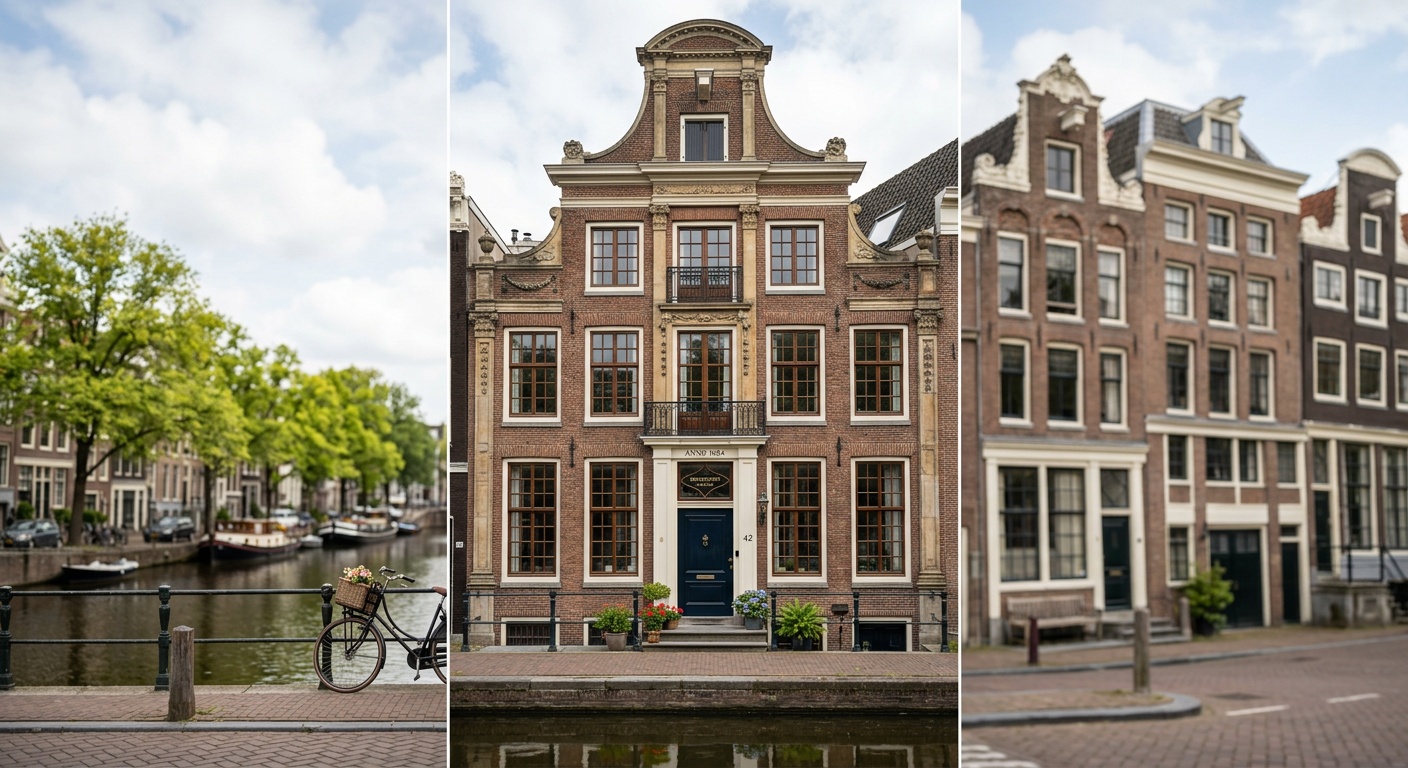
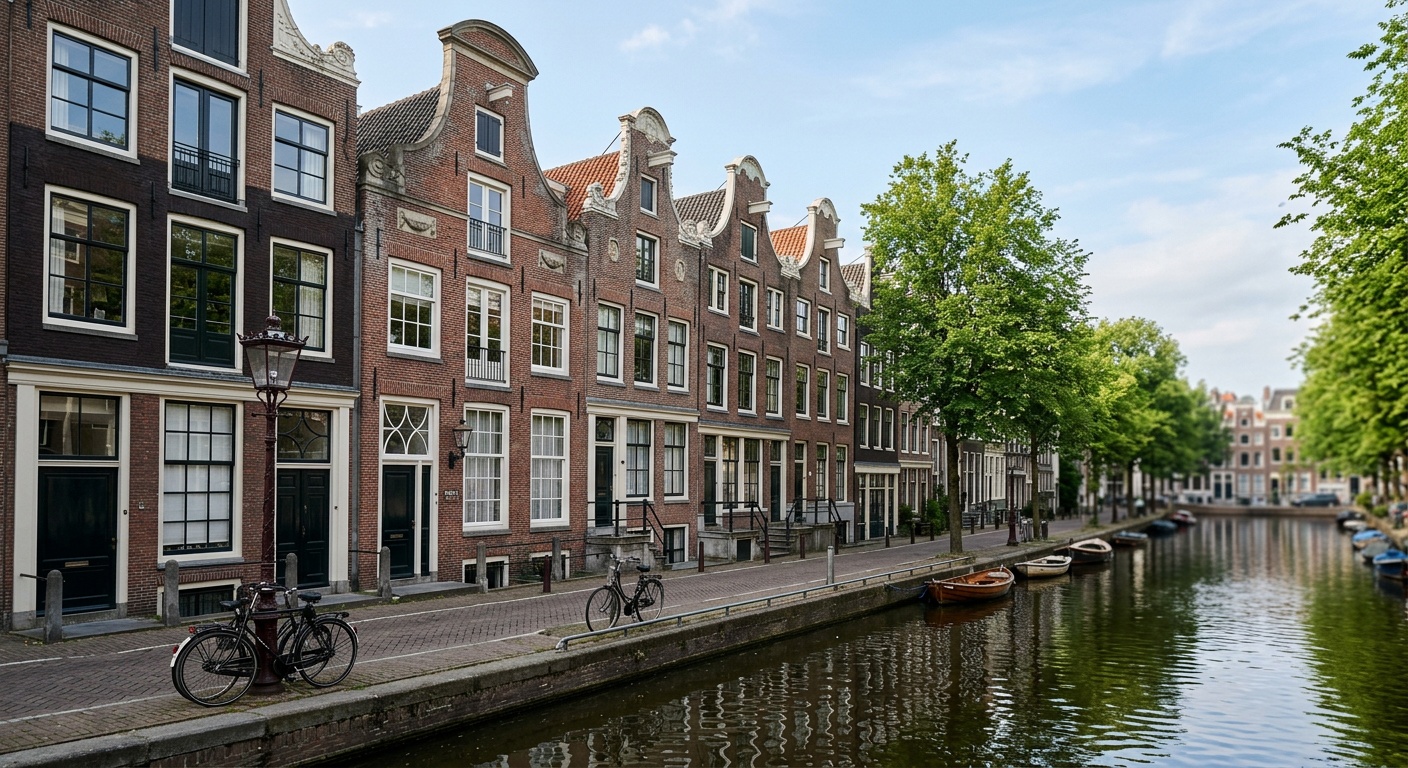
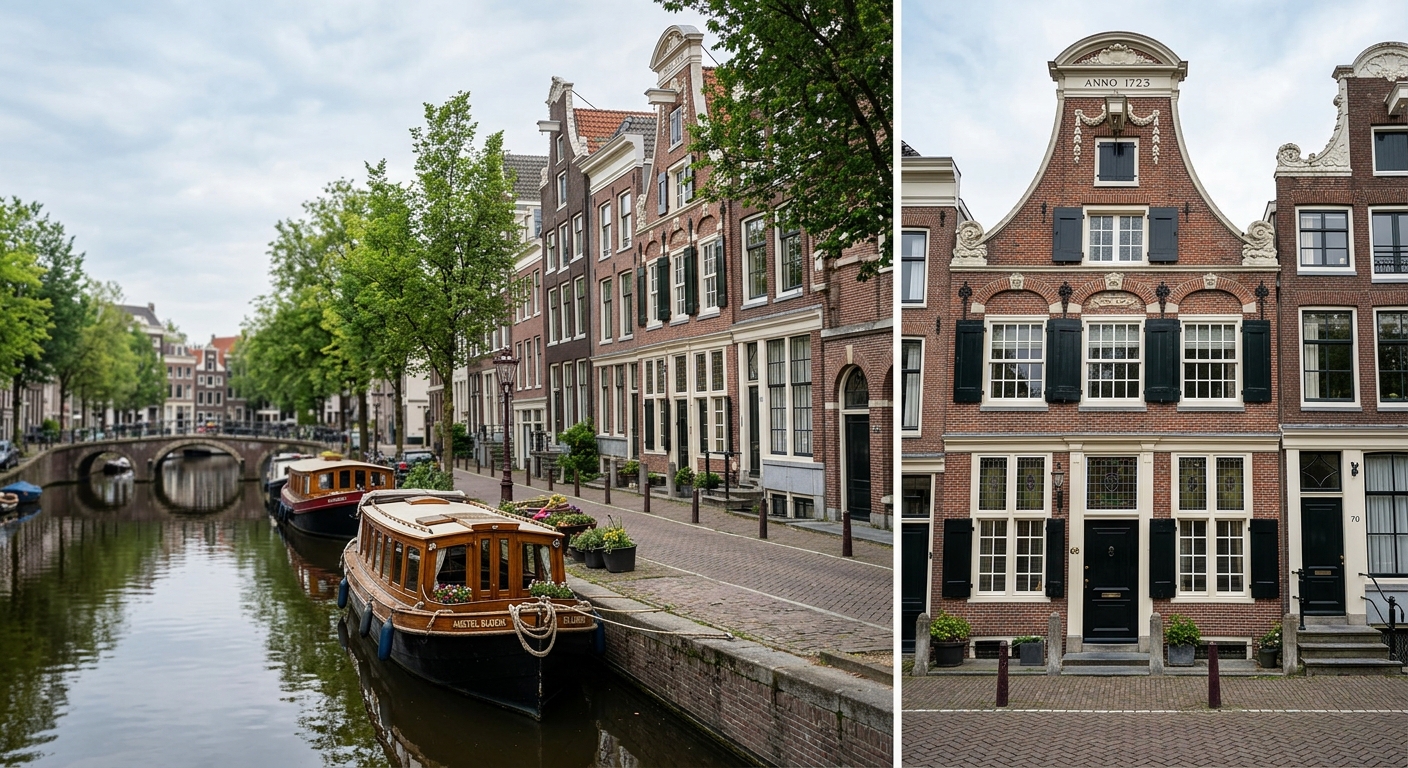
Amsterdam’s housing stock is legendarily tight. The city’s iconic canal house properties—narrow, tall residences lining the UNESCO-listed canal ring—represent the ultimate scarcity asset. There are only so many of them, and none are being built. That structural limitation is the backbone of Amsterdam’s investment case.
According to Statistics Netherlands (CBS) data updated for early 2026, average apartment prices in Amsterdam hover around €600,000, with prime canal-ring properties easily exceeding €1.2 million. Rental yields, however, are modest—typically 3.5% to 4.5% gross—because purchase prices are so high relative to achievable rents, and the city has tightened regulations on short-term letting almost to the point of prohibition in central districts.
What Makes Amsterdam Attractive Despite Low Yields
Investors aren’t buying Amsterdam for cash flow; they’re buying it for currency stability, legal predictability, and long-term appreciation. The Netherlands offers:
- Strong rule of law and transparent property registration
- Consistent demand from students, expats, and multinational employees
- Euro-zone stability without emerging-market currency risk
- Historic appreciation averaging 5-6% annually over the past decade
“Amsterdam is a wealth-preservation asset dressed up as a rental property,” notes Dutch property analyst Willem Bakker in a recent industry roundtable. “You’re not buying for yield. You’re buying because there will never be more canal houses than there are today.”
Athens: The Value and Yield Play
Athens tells a different story entirely. A one-bedroom apartment in a solid neighborhood like Koukaki or Pangrati can still be acquired for €140,000-€220,000 in 2026, and gross rental yields regularly land between 5.5% and 7.5%—nearly double what Amsterdam offers. Tourism has fully rebounded past pre-pandemic levels, and short-term rental demand in central districts remains robust despite recent municipal restrictions on new licenses in the most saturated neighborhoods.
Greece’s Golden Visa program, though revised in 2025 to raise minimum investment thresholds in high-demand zones like central Athens to €800,000, still leaves plenty of room in surrounding municipalities where thresholds remain at €400,000—keeping the door open for mid-tier investors. For those specifically hunting in the capital, browsing apartments for sale in athens greece reveals a market still offering renovation upside that simply doesn’t exist in Amsterdam anymore.
The Renovation Arbitrage Opportunity
Here’s a scenario worth imagining: you buy a neglected 1960s apartment block unit near Syntagma for €130,000, spend €35,000 on a modern renovation, and end up with a property valued at €220,000-€240,000 that also commands premium short and mid-term rents. This “buy-renovate-hold” strategy has become the signature move of Athens investors, something that’s structurally impossible in Amsterdam, where renovation permits on protected canal-ring buildings are notoriously restrictive and expensive.
Side-by-Side Metrics
| Metric | Amsterdam | Athens |
|---|---|---|
| Avg. price per m² (city center) | €9,800 | €3,400 |
| Gross rental yield | 3.5%-4.5% | 5.5%-7.5% |
| 5-year price appreciation | ~28% | ~45% |
| Buy-to-let regulation intensity | High (self-occupancy rules) | Moderate (STR license caps) |
| Entry-level renovation upside | Low | High |
Rental Yield Visualization
Common Challenges (and How to Solve Them)
Challenge 1: Financing Foreign Purchases
Non-resident buyers in Amsterdam often struggle to secure Dutch mortgages, with many banks requiring 40-50% down payments for non-EU applicants. In Athens, financing is even more restrictive post-2025 banking reforms, pushing most international buyers toward all-cash purchases. The fix: budget for cash-heavy acquisition strategies in both markets, and consider leveraging equity from your home country instead of local mortgages.
Challenge 2: Regulatory Whiplash on Short-Term Rentals
Amsterdam has essentially outlawed most new short-term rental licenses in central zones since 2024, while Athens introduced STR license caps in dense neighborhoods like Plaka and Monastiraki starting in 2025. The fix: in both cities, diversify toward mid-term rentals (1-6 months) targeting corporate relocations and digital nomads, a segment largely untouched by these restrictions.
Challenge 3: Underestimating Renovation Costs
First-time Athens investors frequently lowball renovation budgets, forgetting Greek building codes now require energy-efficiency upgrades for resale. The fix: add a 20% contingency buffer and hire a local architect familiar with the 2025 energy performance certificate requirements before finalizing any purchase.
Which City Fits Your Strategy?
If you value predictability, legal transparency, and are comfortable with lower but steadier returns, Amsterdam rewards patience. If you’re chasing higher yield, renovation upside, and don’t mind a bit more regulatory unpredictability, Athens offers a genuinely compelling growth story that many Western European markets stopped offering a decade ago.
FAQs
Is it still possible to get Greek Golden Visa residency through an Athens apartment purchase in 2026?
Yes, though thresholds vary by municipality. Central Athens now requires a minimum €800,000 investment, but many surrounding municipalities within the greater Attica region still qualify at the €400,000 threshold, making it accessible for a wider range of investors.
Why are Amsterdam rental yields so much lower than Athens despite similar demand pressure?
It comes down to the price-to-rent ratio. Amsterdam’s purchase prices have risen faster than achievable rents due to scarcity and strict rent-control regulations on certain unit categories, compressing yields even though occupancy remains near-universal.
Which city has lower ongoing property taxes and maintenance costs?
Athens generally has lower annual property taxes (ENFIA) relative to property value compared to Amsterdam’s OZB municipal tax, but older Athenian buildings often carry higher shared building maintenance fees, especially in properties lacking recent structural upgrades.
Your Roadmap Forward
- Step 1: Define your primary goal—capital preservation (Amsterdam) or yield plus growth (Athens)—before browsing listings.
- Step 2: Get a local mortgage or financing pre-assessment early; both markets punish buyers who assume easy leverage.
- Step 3: Budget renovation contingencies at 20%+ if targeting Athens value-add properties.
- Step 4: Consult a local property lawyer on 2025-2026 short-term rental licensing changes before assuming any income projections.
- Step 5: Visit both cities in person during off-peak season—numbers on a spreadsheet never capture neighborhood texture the way walking the streets does.
Europe’s property map is being redrawn by scarcity in the north and opportunity in the south, and where you plant your capital says as much about your risk appetite as your spreadsheet. So, which conversation do you want to be having in five years: “I own a piece of Amsterdam’s irreplaceable core,” or “I doubled my yield betting on Athens’s comeback”? The apartment you choose today is really an answer to that question.