Understanding Market Value When Buying a House Abroad: A 2026 Buyer’s Playbook
Reading time: 9 minutes
Table of Contents
- Why Market Value Gets Misunderstood Abroad
- The Building Blocks of Foreign Property Valuation
- Regional Snapshot: Where Value Is Shifting in 2026
- Common Pitfalls (and How to Sidestep Them)
- A Practical Valuation Checklist
- Frequently Asked Questions
- Your Roadmap Forward
Why Market Value Gets Misunderstood Abroad
Here’s the straight talk: buying property overseas isn’t just a bigger version of buying a house at home. The rulebook changes—sometimes entirely—the moment you cross a border. A villa listed at €450,000 in the Algarve and a similarly priced apartment in Tbilisi might look comparable on paper, but the forces determining what they’re actually worth are wildly different.
In 2026, cross-border property purchases have surged again, with international buyers accounting for roughly 18% of residential transactions in popular expat destinations like Portugal, Spain, and Mexico, according to recent industry data from global real estate advisory firms. Yet a striking number of these buyers—nearly 40%, based on surveys from relocation consultancies—admit they overpaid because they misjudged local market value.
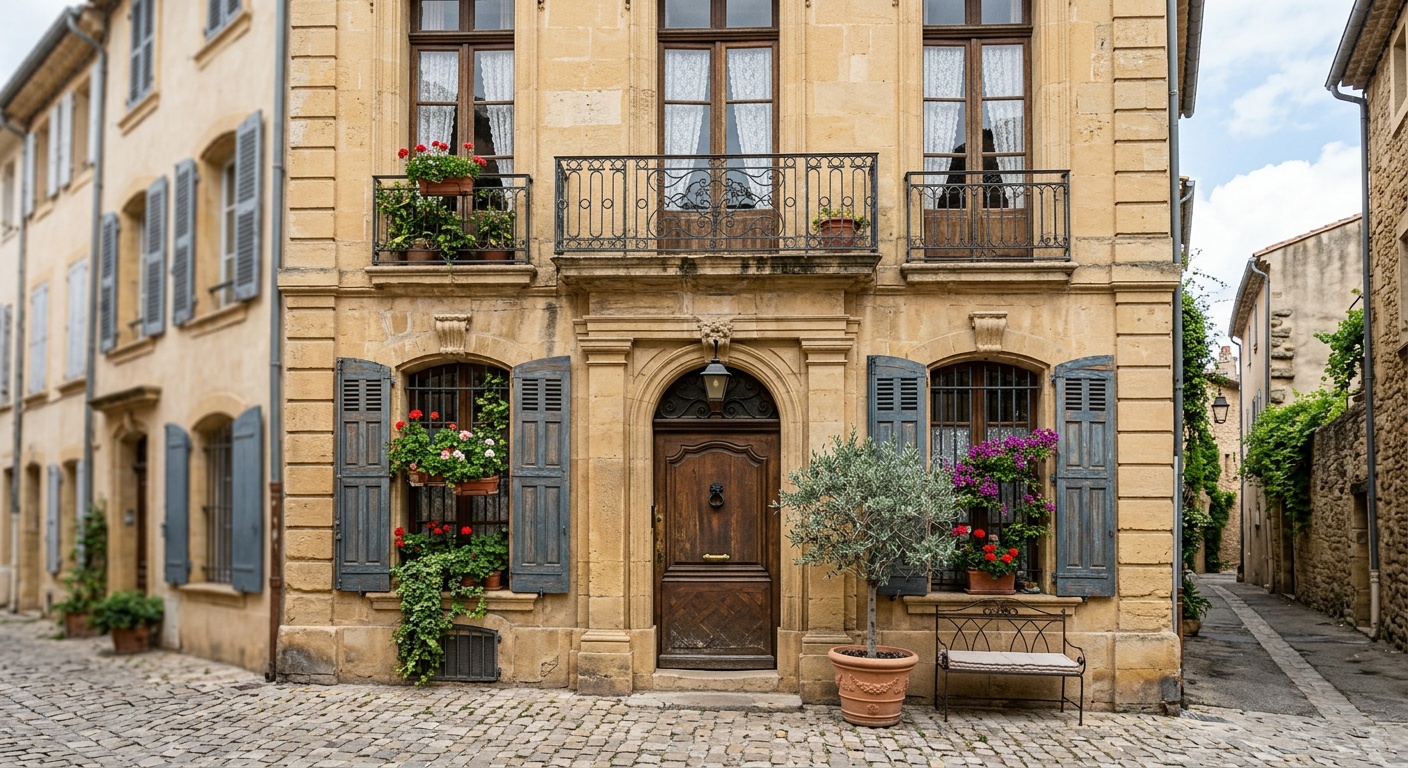
Quick Scenario: Imagine you’ve fallen in love with a stone farmhouse in Umbria. The asking price feels reasonable compared to your hometown market. But is it reasonable for that villagethat region, given local wage levels, buyer demand, and renovation costs? That’s the question that separates a smart investment from an expensive mistake.
Market Value Isn’t a Fixed Number—It’s a Moving Target
Market value reflects what a willing buyer would pay a willing seller under normal conditions—but “normal” varies enormously by country. In markets with limited data transparency, like parts of Southeast Asia or Eastern Europe, comparable sales data can be scarce, outdated, or simply unreliable. Meanwhile, in mature markets like Germany or the Netherlands, public land registries make valuation far more precise.
As one Lisbon-based property consultant put it during a 2026 industry webinar: “Foreign buyers often anchor their expectations to prices back home. That’s the single biggest reason they misread local value—they’re using the wrong map.”
The Building Blocks of Foreign Property Valuation
Well, here’s the reality: understanding market value abroad requires assembling several layers of information, not just glancing at a listing price.
1. Local Comparable Sales (Comps)
Ask for recent, verified sale prices—not asking prices—of similar properties within a two-kilometer radius sold in the last six to twelve months. In countries with strong notary systems, like France or Spain, this data is often accessible through public registries or licensed appraisers.
2. Currency and Macroeconomic Context
Currency fluctuations can quietly inflate or deflate perceived value. A property priced in Turkish lira, for instance, might look like a bargain to a euro-holding buyer purely because of exchange rate swings—not because the asset itself is undervalued. In 2026, with several emerging-market currencies experiencing volatility above 12% annually, this factor deserves serious attention.
4. Legal and Ownership Structures
In some countries, foreigners can’t hold freehold title and must use leasehold structures, trusts, or local corporate entities. These structures often affect resale value and liquidity—two things directly tied to true market value. Thailand and parts of Mexico’s coastal “restricted zones” are classic examples where ownership structure directly discounts or inflates perceived worth.
5. Infrastructure and Development Trajectory
A property’s value today is only half the story. Is a new high-speed rail line planned nearby? Is the local government investing in tourism infrastructure? These factors—sometimes called “value drivers”—can shift a market meaningfully within 24 to 36 months.
Regional Snapshot: Where Value Is Shifting in 2026
Let’s ground this in real numbers. Below is a simplified comparison of average price appreciation and key value factors across five popular destinations for international buyers this year.
| Destination | 2026 Avg. Annual Appreciation | Foreign Buyer Restrictions | Transparency Level |
|---|---|---|---|
| Portugal | 6.8% | Minimal | High |
| Mexico (coastal) | 9.2% | Trust required in restricted zones | Medium |
| Thailand | 4.1% | Leasehold/condo quota rules | Medium-Low |
| Spain | 5.5% | Minimal | High |
| Georgia (Tbilisi) | 11.4% | None | Low-Medium |
Notice something? The destinations with the highest appreciation aren’t necessarily the safest bets. Georgia’s rapid growth is exciting, but lower transparency means valuation errors are more likely. This is the trade-off every international buyer needs to weigh.
Visualizing the Trade-Off: Growth vs. Transparency
Common Pitfalls (and How to Sidestep Them)
Pitfall 1: Trusting the Seller’s Agent as Your Only Source
In many countries, there’s no legal requirement for dual agency disclosure. The agent showing you the property often represents the seller’s interests exclusively. Case in point: a Canadian couple purchasing a beachfront condo in Playa del Carmen in 2025 relied solely on the developer’s in-house sales team for valuation comparisons—only to discover post-purchase that similar units in the same building had sold for 15% less just months earlier. Fix: Hire an independent, buyer-side appraiser or bilingual real estate attorney before signing anything.
Pitfall 2: Ignoring Hidden Carrying Costs
Market value isn’t just the sticker price—it’s the total cost of ownership relative to what you’d get back on resale. Annual property taxes, homeowner association fees, and mandatory insurance in flood or earthquake zones can quietly erode value. In coastal Mexico, for example, insurance premiums rose by an average of 22% in 2025 due to increased storm activity, directly impacting long-term investment returns.
Pitfall 3: Overestimating Renovation ROI
Charming fixer-uppers in rural France or Italy often carry romantic appeal, but renovation costs frequently exceed estimates by 30-50%, especially when historic preservation rules apply. A British retiree who purchased a 17th-century farmhouse near Perugia in 2024 budgeted €60,000 for renovations; heritage compliance requirements pushed the final bill past €95,000—turning what looked like a bargain into a break-even project at best.
A Practical Valuation Checklist
Before making an offer on a property abroad, work through this list:
- Request three independent comps from the past 12 months, verified through public records where possible
- Commission a local appraisal from a certified, buyer-side professional—not one recommended by the seller
- Research ownership structure requirements for foreigners in that specific country and region
- Calculate total carrying costs for at least five years, including taxes, insurance, and association fees
- Investigate planned infrastructure projects that could raise or depress future value
- Factor in currency risk if your income and mortgage are in different currencies
Frequently Asked Questions
How do I know if a foreign property is overpriced?
Compare the listing against at least three verified recent sales (not asking prices) of similar properties nearby, and check the price per square meter against the regional average. If it’s more than 15-20% above that average without a clear justification—like unique views, recent renovation, or prime location—treat it as a red flag worth investigating further.
Should I hire a local appraiser even if I already have an agent?
Yes, absolutely. Agents, even well-intentioned ones, often work on commission tied to the sale price, which creates a built-in incentive misalignment. An independent appraiser has no stake in whether the deal closes, making their valuation far more reliable.
Does currency exchange rate really affect market value?
It affects your perceived value and total cost, even if the local market price stays flat. A property might appear cheaper simply because your home currency strengthened against the local one—but that doesn’t mean the underlying asset appreciated. Always evaluate local price trends separately from currency movements.
Your Roadmap Forward
Buying property abroad in 2026 offers genuine opportunity, but only for buyers willing to look past the surface-level price tag. As global mobility continues rising and remote work reshapes where people choose to live, cross-border real estate will only grow more competitive—and more prone to valuation missteps by unprepared buyers.
- Step 1: Gather independent comps before you fall in love with a property
- Step 2: Budget for the full cost of ownership, not just the purchase price
- Step 3: Verify legal ownership structures specific to your target country
- Step 4: Hire professionals who work for you, not the seller
- Step 5: Reassess currency exposure regularly, especially in volatile markets
You’ve now got the framework that separates confident international buyers from those who learn expensive lessons after closing. So, before you sign that next offer letter, ask yourself: have you actually verified market value, or have you simply trusted the number on the listing?