US Vacation Rental Income Versus Owning an Amsterdam Apartment: Which Investment Actually Wins in 2026?
Reading time: 9 minutes
Table of Contents
- The Big Question: Cash Flow vs. Capital Appreciation
- US Vacation Rental Income in 2026
- Owning an Amsterdam Apartment in 2026
- Head-to-Head Comparison
- Common Challenges and How to Solve Them
- Real Investor Scenarios
- FAQs
- Your Roadmap Forward
The Big Question: Cash Flow vs. Capital Appreciation
Here’s a scenario that plays out in investor forums every week: someone has $350,000 to $450,000 to deploy, and they’re torn between buying a short-term rental in a US vacation hotspot or purchasing a canal-view apartment in Amsterdam. Both feel “safe.” Both feel exciting. But they behave like completely different asset classes.
Well, here’s the straight talk: a US vacation rental is fundamentally a cash-flow business wearing a real estate costume, while an Amsterdam apartment is fundamentally a capital preservation vehicle wearing a landlord costume. Confusing the two is where most investors lose money—or lose sleep.
In 2026, this comparison matters more than ever. US short-term rental markets are normalizing after years of pandemic-era overheating, while Amsterdam’s housing market continues to be shaped by strict rental regulations and a persistent supply crunch. Let’s dig into both sides with real numbers.
US Vacation Rental Income in 2026
According to AirDNA’s 2026 market outlook, the average US short-term rental generated roughly $34,600 in gross annual revenue, though this varies wildly by market—from under $20,000 in oversaturated Gulf Coast towns to over $75,000 in high-demand mountain destinations like Park City or Big Bear.
What Actually Drives Returns
Gross revenue is a vanity metric. What matters is net cash flow after:
- Property management fees (typically 20-30% if self-managed via a co-host, or higher for full-service management)
- Cleaning and turnover costs, which have risen roughly 12% since 2024 due to labor shortages
- Dynamic local regulations—cities like New Orleans, Nashville, and parts of California have tightened STR permitting in 2025 and 2026
- Insurance premiums, which climbed sharply in coastal and wildfire-prone states
A realistic net yield for a well-run vacation rental in 2026 sits between 6% and 11% of purchase price annually, before mortgage paydown and appreciation are factored in. That’s a strong number—but it comes with real operational work.
The Hidden Labor Cost
As one Scottsdale-based host told a 2026 industry panel: “People see the revenue number and forget I spend twelve hours a week on guest messages, pricing adjustments, and vendor coordination. It’s a part-time job, not passive income.” That’s the trade-off nobody puts on the listing photos.
Owning an Amsterdam Apartment in 2026
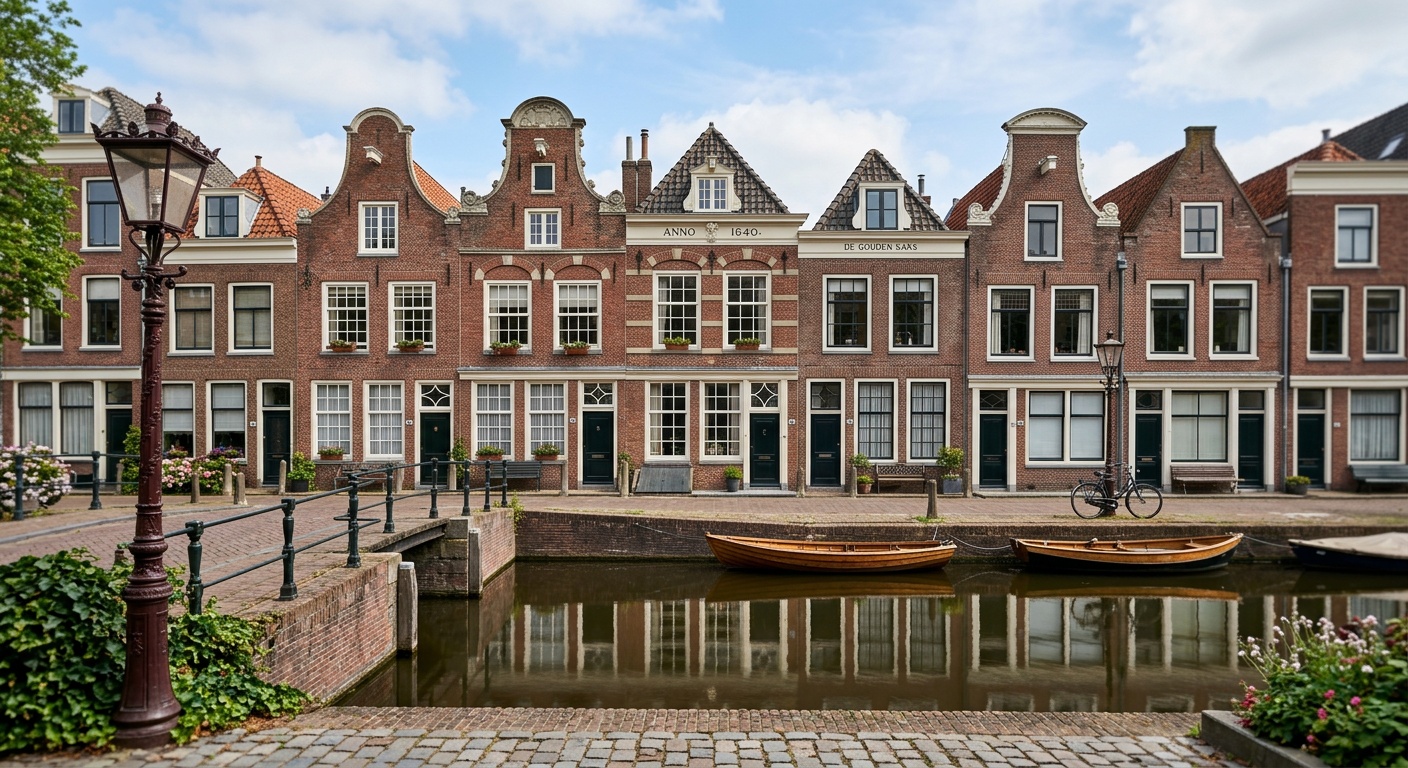
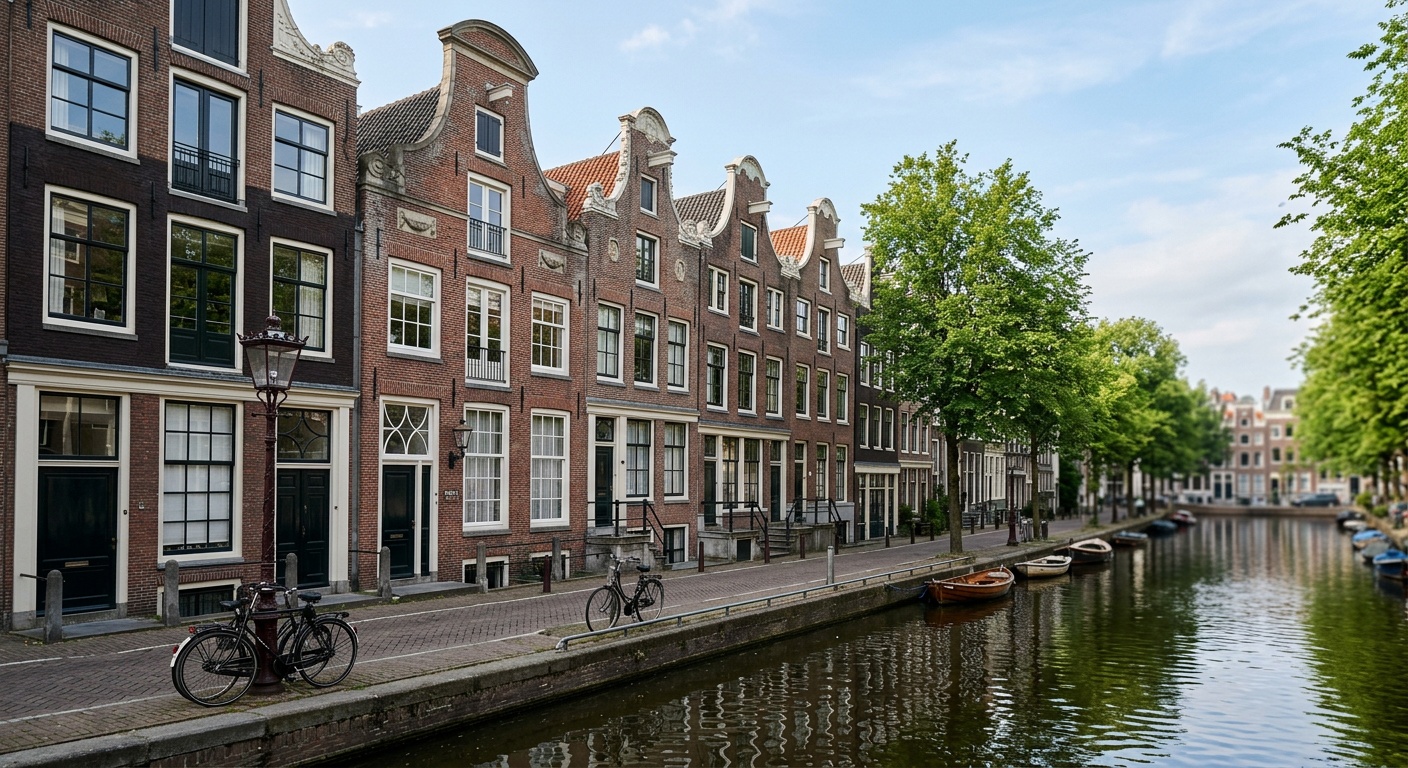
Amsterdam tells a completely different story. The average apartment price in the city reached approximately €550,000 in early 2026, according to NVM (Dutch Association of Real Estate Agents) data, with prime canal-ring properties easily exceeding €800,000 for a modest two-bedroom unit.
Critically, Amsterdam has some of the strictest short-term rental rules in Europe. Since 2023, most of the city center restricts or outright bans Airbnb-style rentals unless the owner lives there and rents only occasionally (capped at 30 nights per year in many zones). This changes the entire investment calculus.
Long-Term Rental Yields
Instead of vacation income, Amsterdam apartment owners typically pursue long-term tenancy. Gross rental yields in 2026 hover around 3.5% to 4.8%, and after the Netherlands’ rent-control expansions (the “Affordable Rent Act” implemented in mid-2024 and still reshaping the market in 2026), many mid-market apartments are now legally capped in what they can charge—squeezing yields further for units under a certain WWS points threshold.
Where the Real Return Comes From
Amsterdam investors aren’t chasing yield—they’re chasing appreciation and currency-diversified wealth storage. Amsterdam property values have appreciated roughly 5.2% annually on average over the past decade, driven by chronic housing shortages (the city needs an estimated 15,000 new homes per year but delivers fewer than 8,000). That scarcity is the entire investment thesis.
Head-to-Head Comparison
| Metric | US Vacation Rental | Amsterdam Apartment |
|---|---|---|
| Typical Entry Price (2026) | $300,000–$650,000 | €450,000–€800,000 |
| Average Net Annual Yield | 6%–11% | 3.5%–4.8% |
| Management Intensity | High (active, near-daily involvement) | Low (passive, occasional maintenance) |
| Regulatory Risk | Moderate to High (city-by-city STR bans) | High (national rent-control expansion) |
| 10-Year Appreciation Potential | Variable, market-dependent (3%–6%/yr) | Steady, scarcity-driven (~5%/yr) |
Visualizing the Income Gap
The chart below compares average net annual yield percentages side by side, illustrating why US vacation rentals often win on raw cash flow while Amsterdam wins on stability.
Common Challenges and How to Solve Them
Challenge 1: Regulatory Whiplash
US cities change STR ordinances quickly, sometimes retroactively affecting existing permits. Fix: Before buying, check not just current rules but the local government’s 12-month legislative calendar and any pending ballot measures. Diversify across two smaller markets rather than concentrating in one town with fragile political support for STRs.
Challenge 2: Amsterdam’s Financing Hurdles
Non-resident buyers face tighter mortgage conditions in the Netherlands, often requiring 30-40% down payments and proof of Dutch tax residency for the best rates. Fix: Work with a hypotheekadviseur (mortgage broker) who specializes in expat and non-resident financing, and budget for the 2% transfer tax (overdrachtsbelasting) that applies to non-owner-occupiers.
Challenge 3: Seasonal Revenue Volatility in US Markets
A ski-town rental might earn 70% of its annual revenue in an 18-week window. Fix: Build a cash reserve equal to at least four months of mortgage and operating costs, and consider markets with dual-season appeal (mountains with summer hiking, beaches with off-season events) to smooth income.
Real Investor Scenarios
Case Study 1 — Smoky Mountains, Tennessee: An investor purchased a three-bedroom cabin for $420,000 in 2024. By 2026, after management fees and maintenance, she nets approximately $38,000 annually—a 9% net yield—but spends roughly 10 hours weekly managing bookings and coordinating cleaners during peak season.
Case Study 2 — De Pijp, Amsterdam: A couple bought a €480,000 apartment in 2023, renting it long-term to a young professional under a regulated lease. Their net yield is a modest 3.8%, but the property has already appreciated to an estimated €545,000 by early 2026—a gain that dwarfs three years of rental income combined.
Case Study 3 — Blended Strategy: One investor split $500,000 between a small Arizona STR and a minority stake in an Amsterdam housing cooperative fund. The result: US cash flow covers near-term expenses while European exposure hedges against dollar volatility and adds long-term stability.
Frequently Asked Questions
Is a US vacation rental still profitable in 2026 given rising interest rates?
Yes, but margins are tighter than in 2021-2022. With mortgage rates still hovering near 6.5-7% for investment properties, cash-flow-positive deals require either a larger down payment (30%+) or markets with genuinely strong occupancy, typically above 60% annually.
Can foreigners easily buy property in Amsterdam?
Yes, the Netherlands places no restrictions on foreign ownership, but financing is harder to secure without local income or residency. Cash buyers or those with strong international income documentation typically move through the process smoothly within 8-12 weeks.
Which option is better for someone who wants truly passive income?
Amsterdam wins on passivity—long-term tenants and property managers require minimal weekly involvement. US vacation rentals, even with a management company, demand more oversight, pricing strategy adjustments, and guest communication decisions.
Your Roadmap Forward
Choosing between these two paths isn’t really about which market is “better”—it’s about which relationship with money you want. Here’s your practical next-step checklist:
- Step 1: Define your priority—monthly cash flow (lean US vacation rental) or long-term wealth preservation (lean Amsterdam).
- Step 2: Run a five-year net cash flow projection for any US property, including realistic vacancy and regulatory risk buffers.
- Step 3: If considering Amsterdam, consult a local hypotheekadviseur early—financing timelines shape your entire offer strategy.
- Step 4: Consider a blended portfolio; geographic and currency diversification is increasingly valuable as both markets face regulatory shifts through 2027.
- Step 5: Revisit your decision annually—STR regulations and Dutch housing policy are both moving targets in 2026.
The broader trend here reflects a global pattern: cities are tightening short-term rental rules while investors increasingly seek stability over speed. Whichever path you choose, the smartest move isn’t picking a side—it’s understanding exactly what kind of return you’re actually buying. So, which trade-off fits your life better: the active hustle of vacation rental income, or the quiet patience of European property ownership?